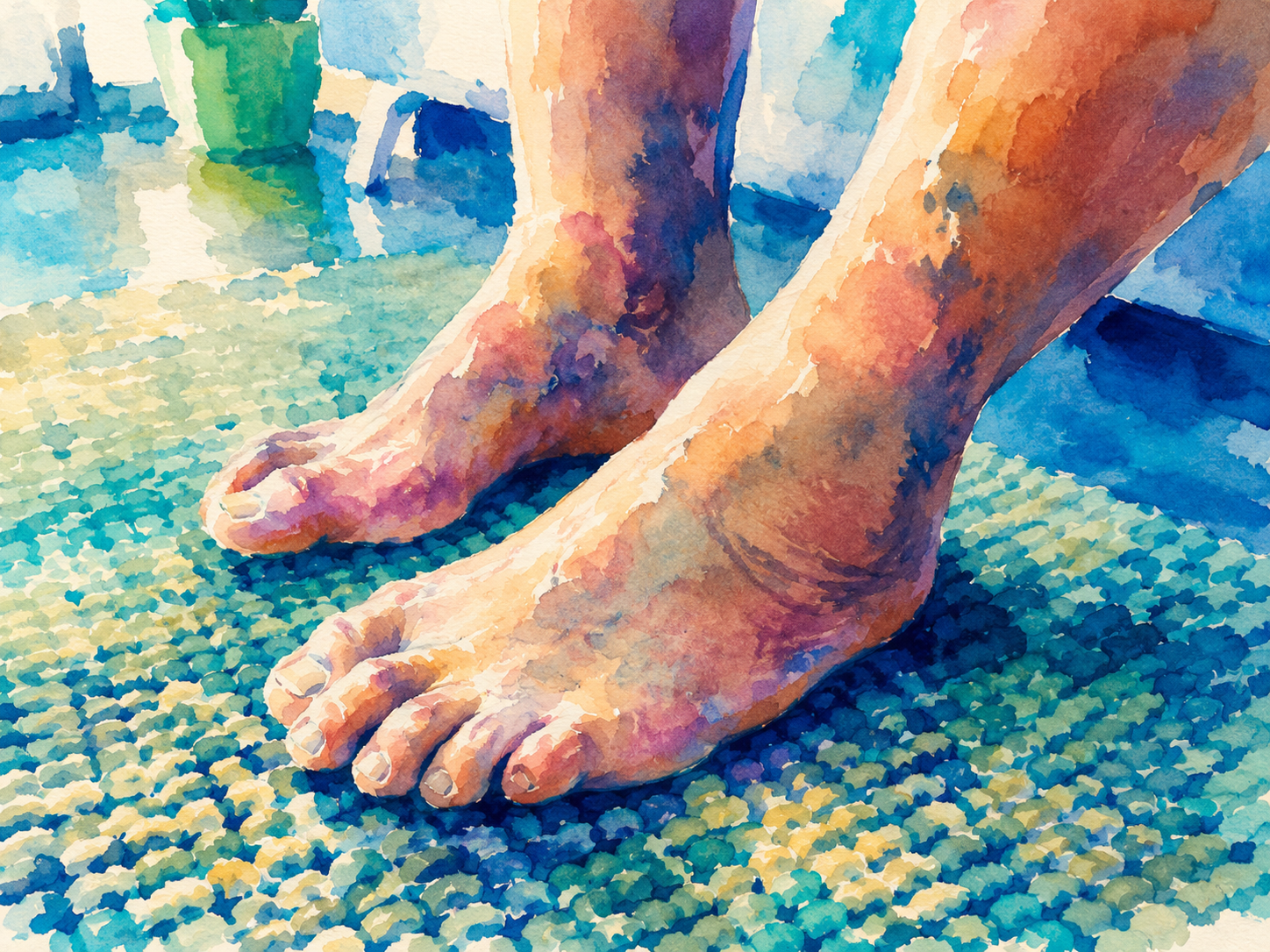
Living with diabetes means taking extra steps to protect your feet. High blood sugar can damage nerves, reduce circulation, and make it harder for wounds to heal, increasing the risk of infections and serious complications. While many people associate foot specialists with conditions like gout, diabetic foot care is another critical area where expert treatment can help preserve mobility and prevent long-term problems.
At Foot & Ankle Care of Colorado, we provide comprehensive foot care for patients with diabetes, helping identify issues early before they become serious.
Why Diabetic Foot Care Matters
Diabetes can lead to:
- Peripheral neuropathy (loss of sensation)
- Poor circulation
- Dry, cracked skin
- Slow wound healing
- Increased risk of infection
Because you may not feel pain from a blister, cut, or pressure sore, small injuries can worsen quickly if left untreated.
Interestingly, people with diabetes may also experience other painful foot conditions, including gout, making regular foot evaluations even more important.
Essential Daily Diabetic Foot Care Routine
Inspect Your Feet Every Day
Examine both feet every day, including between your toes and the bottoms of your feet. Look for:
- Cuts or scrapes
- Blisters
- Redness
- Swelling
- Cracked skin
- Drainage
- Changes in skin color
If you have difficulty seeing your feet, use a mirror or ask a family member to help.
Wash and Dry Your Feet Carefully
Wash your feet daily with warm—not hot—water and mild soap.
After washing:
- Dry thoroughly, especially between the toes.
- Avoid soaking your feet for long periods, as this can dry out the skin.
Moisturize Daily
Dry skin can crack and create openings for bacteria.
Apply lotion to the tops and bottoms of your feet, but avoid putting moisturizer between your toes, where excess moisture can encourage fungal infections.
Trim Toenails Properly
Cut toenails straight across and avoid trimming them too short.
If your nails are thick, difficult to cut, or you have poor vision or neuropathy, professional nail care is often the safest option.
Always Wear Protective Footwear
Never walk barefoot, even inside your home.
Choose shoes that:
- Fit properly
- Have adequate toe room
- Provide cushioning and support
- Do not rub or create pressure points
Check the inside of your shoes before putting them on to ensure there are no objects or rough seams.
Manage Blood Sugar
Keeping blood sugar within your target range helps:
- Improve circulation
- Reduce nerve damage
- Support healing
- Lower the risk of infections
Good diabetes management benefits your entire body—including your feet.
Don’t Ignore Foot Pain
While diabetic neuropathy may reduce sensation, some conditions still cause significant discomfort. Problems such as tendon injuries, arthritis, infections, or gout can all contribute to foot pain.
Gout occurs when uric acid crystals build up inside a joint, often affecting the big toe. It can cause sudden, severe pain, swelling, redness, and warmth. Because diabetes can complicate healing and increase the risk of infection, it’s important to have new foot pain evaluated promptly rather than assuming it will resolve on its own.
Warning Signs That Need Immediate Attention
Contact a foot specialist if you notice:
- An open sore or ulcer
- Redness that spreads
- Drainage or pus
- Swelling that worsens
- Black or discolored skin
- Fever with a foot wound
- Sudden severe pain that may indicate gout or another acute condition
Early treatment can prevent complications and reduce the risk of hospitalization.
How Foot & Ankle Care of Colorado Can Help
Our team provides comprehensive diabetic foot care designed to prevent complications and keep you active. Services include:
- Routine diabetic foot evaluations
- Professional nail and callus care
- Treatment for diabetic wounds and ulcers
- Custom orthotics and pressure-relieving solutions
- Evaluation of foot pain, arthritis, and gout
- Infection management
- Education on proper foot care and footwear
By identifying problems early, we can often prevent small issues from becoming major health concerns.
Protect Your Feet for the Future
Daily foot care is one of the most important parts of managing diabetes. Regular self-checks, proper footwear, and routine visits to a foot specialist can dramatically reduce your risk of serious complications.
Whether you’re managing diabetes, experiencing persistent foot pain, or dealing with gout, the team at Foot & Ankle Care of Colorado is here to help. Schedule an appointment today to keep your feet healthy, comfortable, and ready for every step ahead.