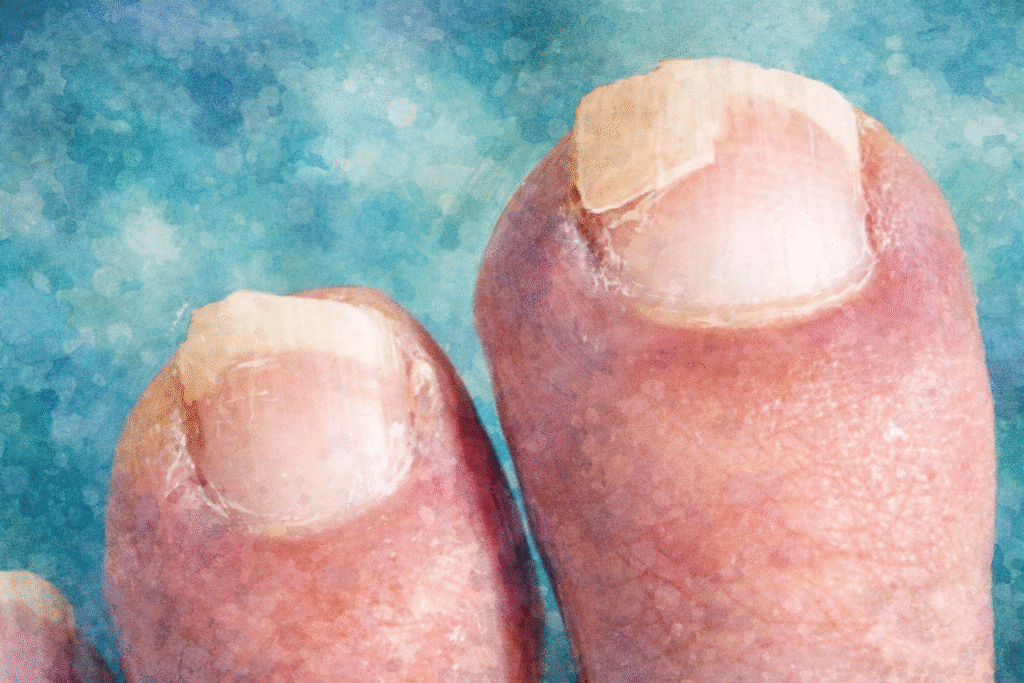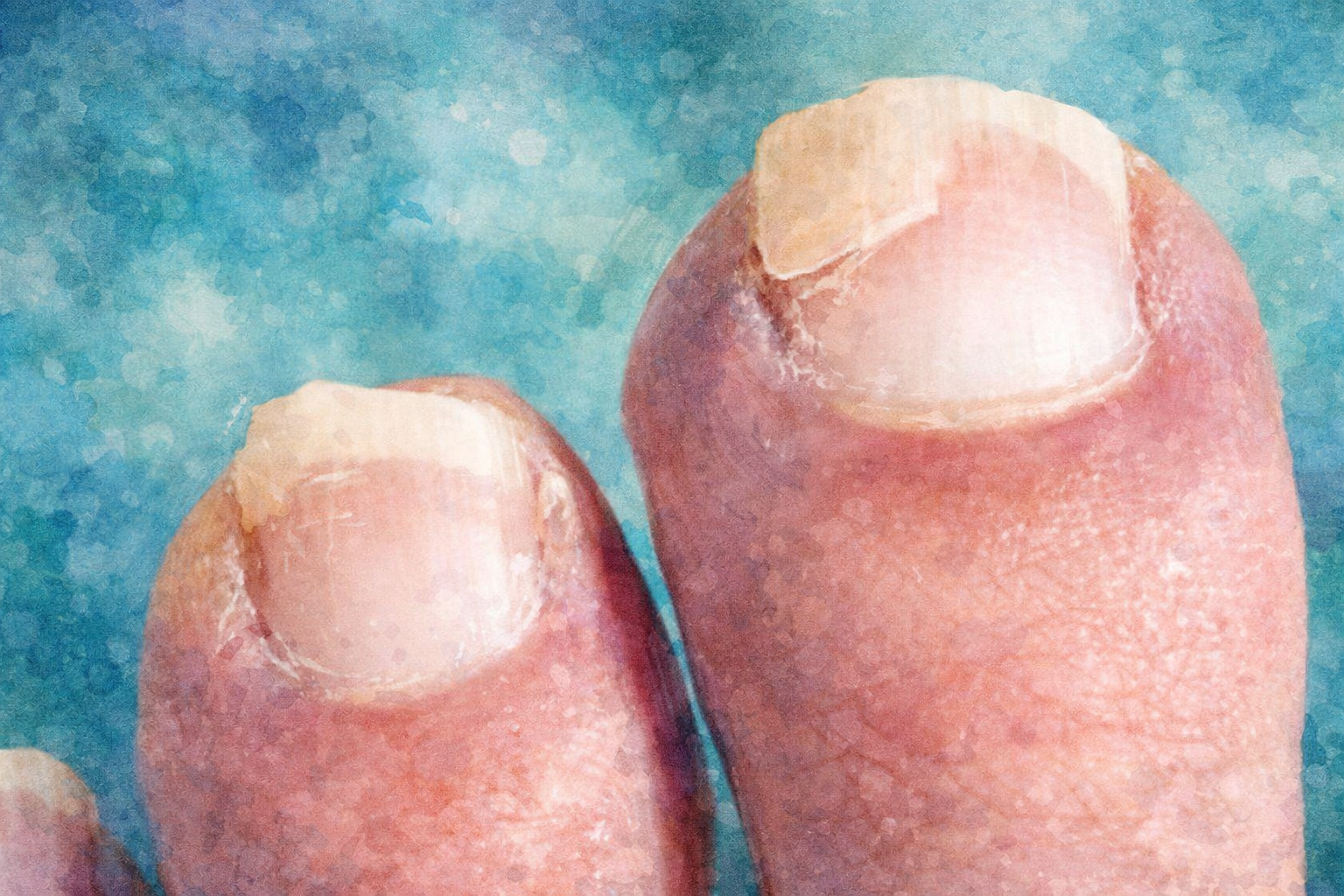
Have you ever dropped something heavy on your toe, slammed your foot into a table, or noticed discoloration or pain around the nail after an injury? You may be dealing with nail trauma—a common condition that can range from mild discomfort to more serious complications affecting the health of your toenails and surrounding tissue.
At Foot & Ankle Care of Colorado, we see nail trauma in patients of all ages—from athletes and construction workers to weekend warriors and seniors. Some injuries are obvious; others are the result of repetitive microtrauma that builds up over time. Either way, early treatment can help prevent long-term nail damage or infection.
What Is Nail Trauma?
Nail trauma refers to any injury or damage to the toenail or the skin and structures underneath it. It can be acute (sudden impact) or chronic (repetitive pressure or irritation). The toenails are especially vulnerable because they’re at the front line of most foot injuries—and often confined in tight shoes or work boots.
Depending on the severity, nail trauma can involve:
- The nail plate (the hard surface)
- The nail bed (the skin under the nail)
- The cuticle
- The nail matrix (where new nail cells form)
Common Causes of Nail Trauma
Nail trauma can happen in many ways, but the most common include:
1. Direct Impact Injuries
Slamming your toe into a hard object, dropping something heavy on it, or getting stepped on can cause bruising, bleeding under the nail (subungual hematoma), or even nail loss.
2. Repetitive Microtrauma
This is especially common in runners, hikers, and people who wear tight shoes. Repeated pressure or jamming of the toe into the front of the shoe can lead to thickened nails, nail lifting, or gradual separation from the nail bed.
3. Improper Trimming or Pedicures
Cutting nails too short, cutting into the corners, or aggressive cleaning under the nail can lead to trauma and increase the risk of ingrown toenails or infection.
4. Fungal Infections or Psoriasis
While not traumatic in the traditional sense, these conditions weaken the nail structure and make it more susceptible to splitting, thickening, or lifting from minor impact.
Symptoms of Nail Trauma
Symptoms vary depending on the type and severity of the injury but may include:
- Discoloration (dark red, purple, or black under the nail)
- Throbbing pain or pressure
- Lifting or loosening of the nail from the bed
- Cracks or splits in the nail
- Bleeding under the nail (subungual hematoma)
- Infection (redness, swelling, pus)
- Permanent nail deformity if untreated
Sometimes the nail may fall off completely—either immediately or gradually over time.
When to See a Podiatrist
Not all nail injuries require medical care. Minor bruises or cracks may heal on their own. But you should schedule an evaluation if you experience:
- Severe or persistent pain
- Dark discoloration under the nail (especially if expanding)
- Signs of infection
- Nail thickening or deformity that gets worse
- Nail loss or detachment
- Recurrent trauma (especially in athletes)
- Any injury if you have diabetes or poor circulation
Early intervention can reduce pain, prevent infection, and protect the surrounding tissue from further damage. We can also remove pressure from under the nail, prescribe antibiotics if needed, and determine if the nail will regrow normally.
Treatment Options for Nail Trauma
Treatment depends on the type of injury but may include:
- Nail decompression (draining blood under the nail)
- Partial or full nail removal if the nail is damaged beyond repair
- Topical or oral antibiotics for infection
- Protective padding or orthotics to prevent future trauma
- Footwear recommendations for better fit and protection
- Fungal treatment if a secondary infection is present
If the nail doesn’t regrow properly, we may discuss cosmetic or surgical options to improve appearance or prevent chronic discomfort.
Take Nail Trauma Seriously
Your toenails are more than just cosmetic—they play a key role in protecting the tips of your toes and detecting pressure. When they’re damaged, it’s more than an inconvenience.
If you’ve experienced a nail injury, or if your toenail just doesn’t “look right” anymore, let our team at Foot & Ankle Care of Colorado evaluate it. We’ll determine the cause, offer treatment options, and help prevent future trauma so your feet can stay healthy and pain-free.