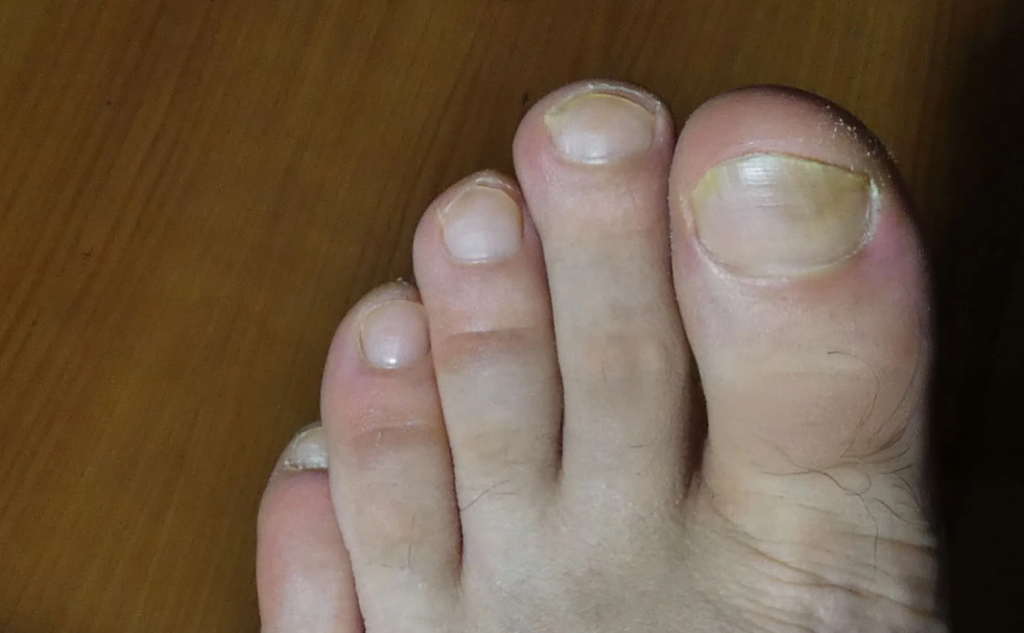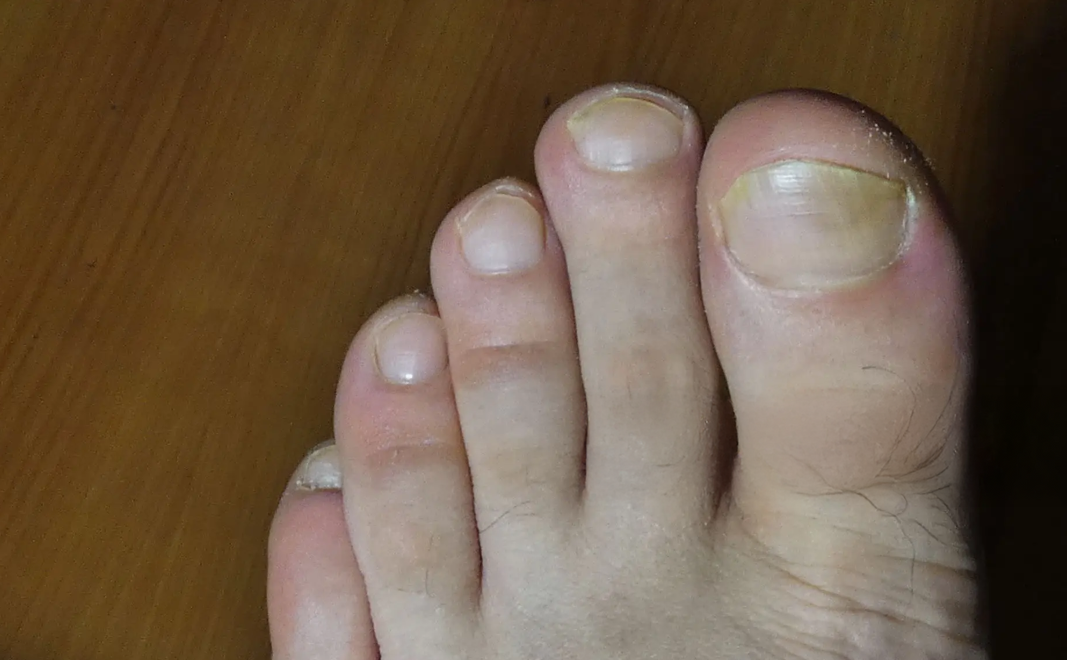
Ingrown Toenails are one of the most common reasons patients visit a podiatrist. While they may seem like a minor problem at first, ingrown toenails can quickly become painful, swollen, and even infected if left untreated. Many people are surprised to learn that something as simple as trimming a nail incorrectly or wearing tight shoes can lead to significant discomfort.
At Foot & Ankle Care Of Colorado, we help patients understand what causes ingrown toenails and provide effective treatment options designed to relieve pain and prevent future problems. Whether you are dealing with your first ingrown toenail or have struggled with recurring nail issues for years, professional care can help restore comfort and keep your feet healthy.
What Are Ingrown Toenails?
Ingrown Toenails occur when the edge of a toenail grows into the surrounding skin instead of growing straight outward. This most commonly affects the big toe, although any toenail can become ingrown.
As the nail penetrates the skin, the body reacts with inflammation, causing redness, swelling, tenderness, and pain. If bacteria enter the area, an infection may develop, making the condition even more uncomfortable.
Without treatment, ingrown toenails can worsen over time and interfere with walking, exercise, and daily activities.
What Causes Ingrown Toenails?
Several factors can contribute to the development of ingrown toenails.
Improper Nail Trimming
One of the most common causes is cutting toenails incorrectly. Nails that are cut too short or rounded at the corners are more likely to grow into the surrounding skin.
To help prevent ingrown toenails, toenails should be trimmed straight across and not cut excessively short.
Tight Or Narrow Footwear
Shoes that squeeze the toes together create constant pressure on the nail and surrounding skin. Over time, this pressure can force the nail to grow in the wrong direction.
High heels, narrow dress shoes, and poorly fitting athletic footwear are common contributors.
Genetics
Some people naturally have curved or fan-shaped nails that are more likely to become ingrown. If multiple family members experience recurring ingrown toenails, genetics may play a role.
Sports And Repetitive Trauma
Running, hiking, soccer, basketball, and other activities can place repeated stress on the toes. Constant pressure from athletic movement may contribute to nail irritation and abnormal growth.
Toe Injuries
Stubbing a toe, dropping an object on the foot, or other nail trauma can damage the nail and alter how it grows, increasing the likelihood of an ingrown toenail.
Symptoms Of Ingrown Toenails
Common symptoms include:
- Pain along the edge of the nail
- Redness around the nail border
- Swelling
- Tenderness when pressure is applied
- Drainage or pus
- Difficulty wearing shoes comfortably
As the condition progresses, the pain often becomes more severe and persistent.
Why Early Treatment Is Important
Many patients try to manage ingrown toenails at home, but delaying treatment can increase the risk of infection and make the condition more difficult to treat.
Untreated ingrown toenails may lead to:
- Chronic pain
- Recurring infections
- Abscess formation
- Difficulty walking
- Increased complications for patients with diabetes
Early intervention typically leads to faster healing and better long-term outcomes.
Treatment Options At Foot & Ankle Care Of Colorado
At Foot & Ankle Care Of Colorado, treatment is tailored to the severity of the ingrown toenail and the patient’s individual needs.
Conservative Treatment
For mild cases, treatment may include:
- Professional nail trimming
- Removal of the ingrown nail edge
- Footwear recommendations
- Guidance on proper nail care
Infection Treatment
If infection is present, treatment may involve:
- Cleaning the affected area
- Drainage if necessary
- Topical or oral medications
Prompt treatment helps reduce pain and prevent further complications.
Permanent Ingrown Toenail Correction
For recurring ingrown toenails, a permanent procedure may be recommended. During this treatment:
- The ingrown portion of the nail is removed
- The responsible portion of the nail root is treated
- Future regrowth along that edge is prevented
Many patients experience lasting relief and significantly reduced recurrence rates.
Find Relief From Ingrown Toenails
While Ingrown Toenails are common, they should never be ignored. Early treatment can prevent infection, relieve pain, and help protect the long-term health of your feet.
At Foot & Ankle Care Of Colorado, we provide comprehensive care for ingrown toenails, from conservative treatment to permanent correction procedures.
If you are experiencing pain, swelling, or signs of an ingrown toenail, schedule an appointment today and let our team help you get back on your feet comfortably.