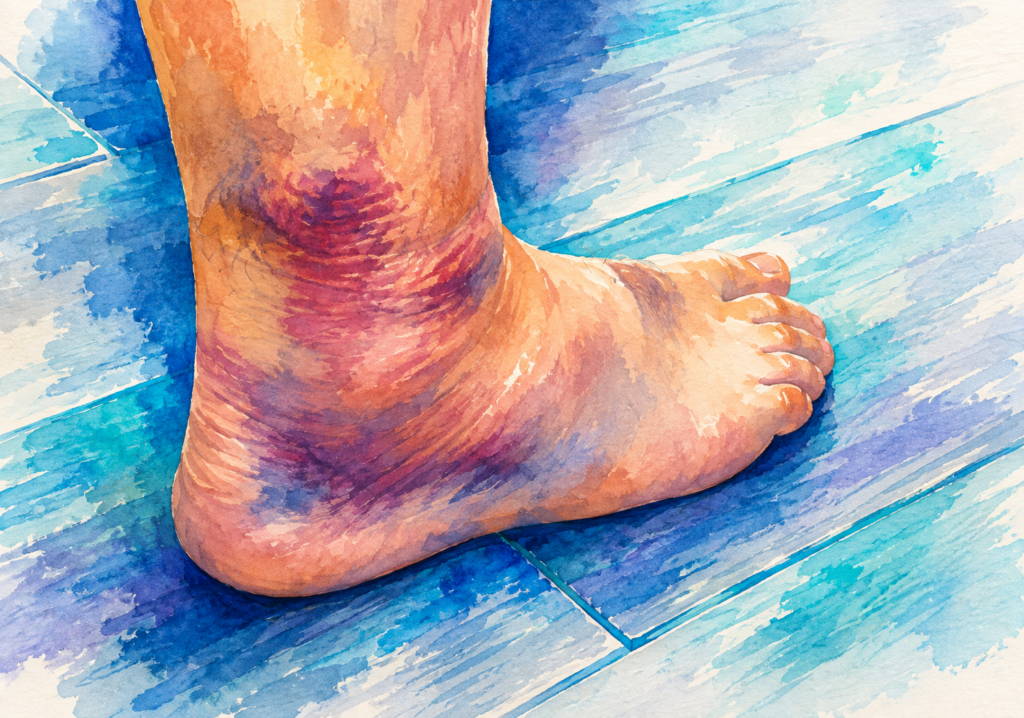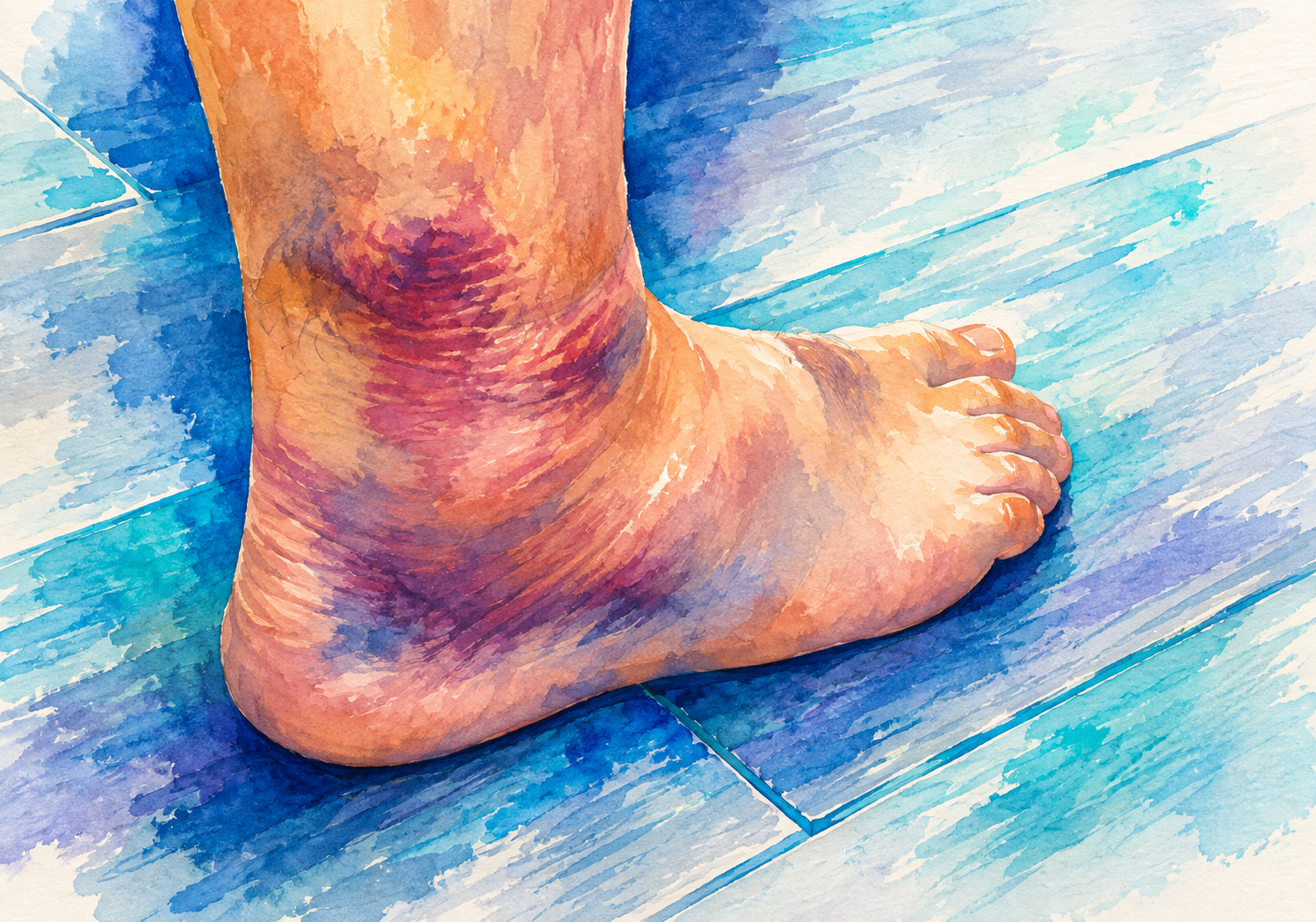
Have you ever felt your ankle suddenly “give way” while walking, running, or stepping off a curb? If you’ve experienced repeated ankle sprains or ongoing feelings of instability, you may be dealing with Chronic Ankle Instability. This condition can make everyday activities more difficult and increase your risk of future injuries if left untreated.
At Foot & Ankle Care of Colorado, we specialize in diagnosing and treating Chronic Ankle Instability, helping patients regain strength, stability, and confidence with every step.
What Is Chronic Ankle Instability?
Chronic Ankle Instability is a condition in which the outer side of the ankle repeatedly gives way during physical activity or even while walking on uneven ground. It often develops after one or more ankle sprains that didn’t heal completely or weren’t properly rehabilitated.
Over time, weakened ligaments and reduced joint stability can make the ankle more susceptible to additional injuries.
What Causes Chronic Ankle Instability?
The most common cause of Chronic Ankle Instability is repeated ankle sprains, especially injuries involving the ligaments on the outside of the ankle.
Other contributing factors include:
- Incomplete healing after an ankle sprain
- Weak ankle muscles
- Ligament damage
- Poor balance or proprioception (your body’s awareness of joint position)
- Returning to sports too soon after an injury
- Foot alignment problems
- Wearing unsupportive footwear
Without proper treatment, the cycle of sprains and instability often continues.
Symptoms of Chronic Ankle Instability
People with Chronic Ankle Instability may experience:
- Repeated ankle sprains
- The ankle “giving out”
- Persistent swelling
- Pain or tenderness
- A feeling of looseness or wobbliness
- Difficulty walking on uneven surfaces
- Reduced confidence during sports or exercise
- Limited range of motion
Some patients notice instability even during routine daily activities.
Why Early Treatment Is Important
Ignoring Chronic Ankle Instability can lead to additional problems over time.
Potential complications include:
- More frequent ankle sprains
- Ongoing pain
- Cartilage damage
- Tendon injuries
- Arthritis of the ankle joint
- Reduced mobility
- Increased risk of falls
Early diagnosis allows treatment before more permanent damage develops.
How Chronic Ankle Instability Is Diagnosed
At Foot & Ankle Care of Colorado, we perform a comprehensive evaluation to determine the cause and severity of your ankle instability.
Your assessment may include:
- Review of your injury history
- Physical examination
- Evaluation of ligament stability
- Balance and gait assessment
- Range of motion testing
- X-rays to evaluate the bones
- MRI when ligament or cartilage injuries are suspected
An accurate diagnosis helps guide the most effective treatment plan.
Treatment Options for Chronic Ankle Instability
Many patients improve with conservative treatment, particularly when addressed early.
Treatment may include:
Physical Therapy
Targeted exercises strengthen the muscles around the ankle while improving balance, coordination, and joint stability.
Bracing and Support
An ankle brace may help stabilize the joint during healing or while participating in sports and other physical activities.
Custom Orthotics
If abnormal foot mechanics contribute to Chronic Ankle Instability, custom orthotics may improve alignment and reduce stress on the ankle.
Activity Modification
Temporary adjustments to your activity level may allow injured tissues to heal while reducing the risk of additional sprains.
Surgical Treatment
For patients with severe ligament damage or persistent instability despite conservative care, surgical ligament reconstruction may be recommended to restore stability.
How Foot & Ankle Care of Colorado Can Help
At Foot & Ankle Care of Colorado, we develop personalized treatment plans based on your lifestyle, activity level, and the severity of your condition.
Our comprehensive care includes:
- Thorough evaluation of Chronic Ankle Instability
- Advanced diagnostic imaging when appropriate
- Conservative treatment options
- Custom orthotics and bracing recommendations
- Coordination with physical therapy
- Surgical evaluation when necessary
- Long-term strategies to reduce future ankle injuries
Our goal is to restore stability, relieve pain, and help you return to the activities you enjoy safely.
Tips for Preventing Chronic Ankle Instability
You can lower your risk of recurring ankle injuries by:
- Completing rehabilitation after every ankle sprain
- Wearing supportive footwear
- Strengthening your ankles and lower leg muscles
- Practicing balance and stability exercises
- Using ankle braces during high-risk sports when recommended
- Seeking medical evaluation if your ankle repeatedly gives way
Addressing ankle sprains early can significantly reduce the likelihood of developing chronic instability.
Regain Confidence on Your Feet
Living with Chronic Ankle Instability doesn’t have to mean avoiding the activities you love. With the right diagnosis and treatment, many patients regain strength, improve stability, and return to an active lifestyle.
If your ankle frequently gives out or you’ve experienced repeated ankle sprains, schedule an appointment with Foot & Ankle Care of Colorado. Our experienced team is dedicated to treating Chronic Ankle Instability and helping you move with greater confidence, comfort, and stability.