If you have a painful bump on the side of your big toe, you may be dealing with bunions. While many people think bunions are simply a cosmetic concern, they can become increasingly painful over time, making it difficult to walk, exercise, or wear your favorite shoes.
At Foot & Ankle Care of Colorado, we provide comprehensive evaluation and treatment for bunions, helping patients relieve pain, improve foot function, and maintain an active lifestyle.
What Are Bunions?
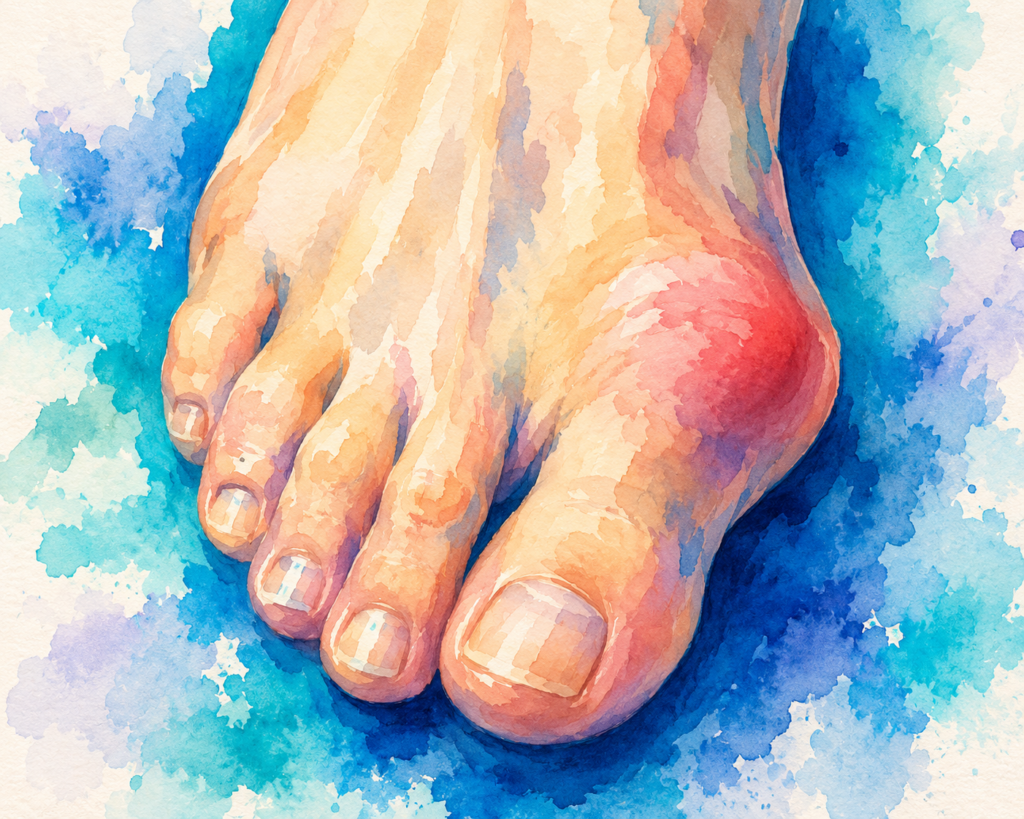
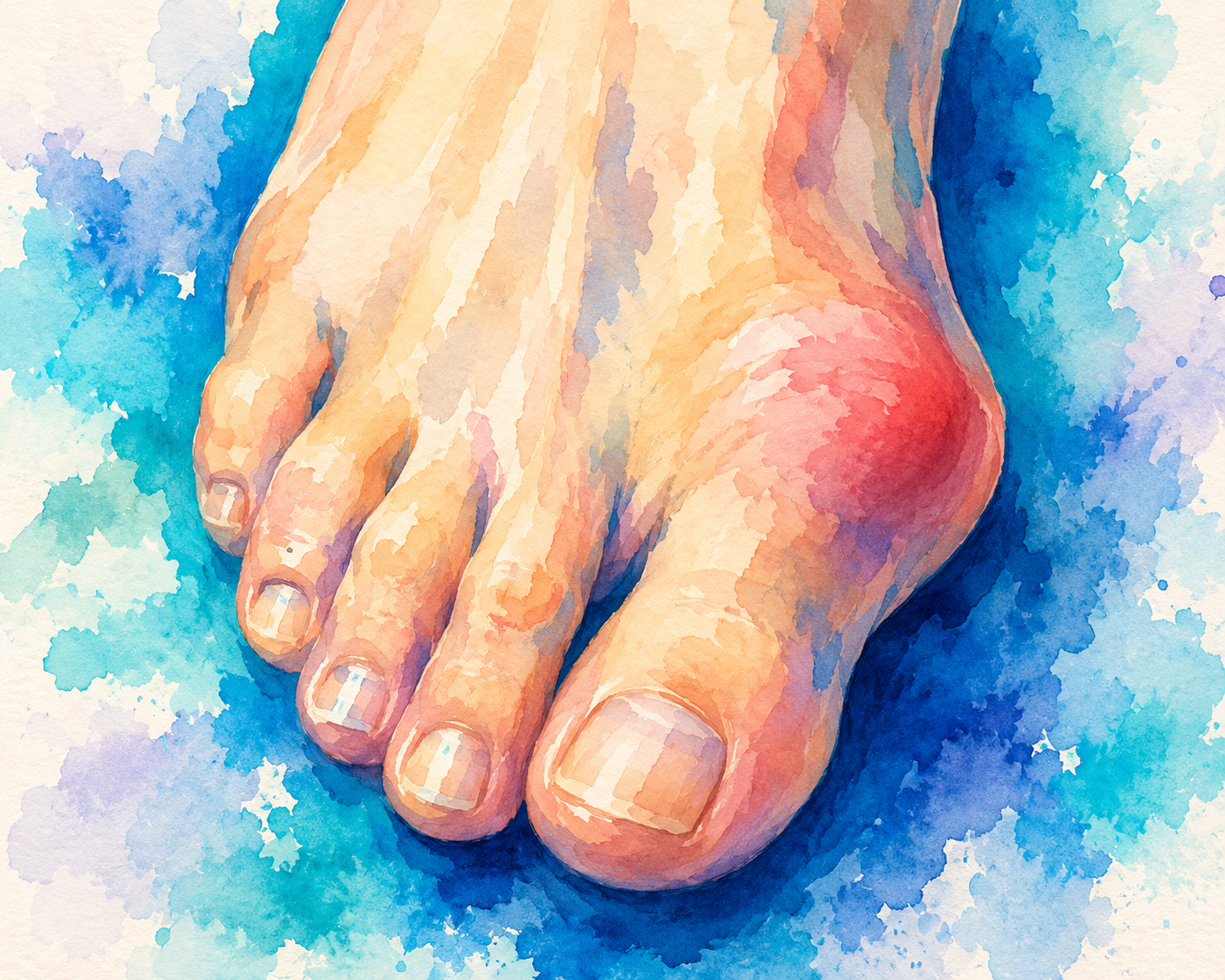
Bunions are bony bumps that develop at the base of the big toe joint. They form when the big toe gradually shifts toward the second toe, causing the joint to stick outward.
As the deformity progresses, pressure on the joint increases, often leading to pain, inflammation, and difficulty wearing certain types of footwear.
Although bunions typically develop slowly over time, they rarely improve without appropriate treatment.
What Causes Bunions?
Several factors can contribute to the development of bunions, including:
- Family history and inherited foot structure
- Flat feet or abnormal foot mechanics
- Arthritis, particularly inflammatory arthritis
- Previous foot injuries
- Wearing narrow or tight-fitting shoes that aggravate the condition
While footwear alone doesn’t usually cause bunions, poorly fitting shoes can make symptoms significantly worse.
Common Symptoms of Bunions
Symptoms vary depending on the severity of the condition but often include:
- A visible bump at the base of the big toe
- Pain around the joint
- Swelling and redness
- Stiffness in the big toe
- Difficulty wearing certain shoes
- Corns or calluses between the first and second toes
- Limited movement of the big toe
As bunions progress, everyday activities such as walking, exercising, or standing for long periods may become increasingly uncomfortable.
Do Bunions Get Worse Over Time?
For many people, bunions gradually worsen if left untreated.
As the toe continues to drift out of alignment, additional problems may develop, including:
- Increased joint pain
- Chronic inflammation
- Difficulty finding comfortable shoes
- Hammertoes
- Arthritis in the big toe joint
- Changes in walking mechanics
- Pain in the knees, hips, or lower back caused by altered gait
Early evaluation often provides more treatment options and may help slow progression.
How Are Bunions Diagnosed?
At Foot & Ankle Care of Colorado, diagnosing bunions begins with a comprehensive foot examination.
Your evaluation may include:
- Review of your symptoms and medical history
- Physical examination
- Assessment of foot alignment
- Gait analysis
- X-rays to determine the severity of the deformity and evaluate joint health
These findings help guide the most appropriate treatment plan for your specific condition.
Treatment Options for Bunions
Not every patient with bunions requires surgery. Many people experience significant relief with conservative treatment.
Treatment options may include:
Supportive Footwear
Shoes with a wide toe box can reduce pressure on the bunion and improve comfort during daily activities.
Custom Orthotics
Prescription orthotics can improve foot mechanics, redistribute pressure, and help relieve pain caused by bunions.
Padding and Protective Devices
Special pads or toe spacers may reduce friction between the bunion and your shoes.
Activity Modification
Limiting activities that place excessive pressure on the big toe may help reduce inflammation during flare-ups.
Medications
Anti-inflammatory medications may help relieve temporary pain and swelling when recommended by your healthcare provider.
Surgical Treatment
If conservative treatments no longer provide relief, bunion surgery may be recommended to correct the deformity, restore alignment, and improve function.
How Foot & Ankle Care of Colorado Can Help
Our experienced team provides individualized treatment plans based on the severity of your bunions, your activity level, and your long-term goals.
We offer:
- Comprehensive foot evaluations
- Digital imaging when appropriate
- Conservative treatment options
- Custom orthotics
- Footwear recommendations
- Pain management strategies
- Surgical consultation and treatment when necessary
- Ongoing follow-up care to support recovery and long-term foot health
Our goal is to relieve pain while helping you maintain mobility and avoid unnecessary limitations.
Can Bunions Be Prevented?
Not all bunions can be prevented, especially when genetics play a role. However, you can lower your risk of worsening symptoms by:
- Wearing properly fitting shoes with a wide toe box
- Avoiding high heels for prolonged periods
- Maintaining a healthy weight
- Using supportive footwear during exercise
- Addressing foot pain early
- Seeking evaluation when you notice changes in toe alignment
Taking action early can often slow progression and improve comfort.
Don’t Let Bunions Limit Your Lifestyle
Living with bunions doesn’t mean you have to accept ongoing pain or give up the activities you enjoy. Early diagnosis and personalized treatment can help reduce discomfort, improve foot function, and protect your long-term mobility.
If you’re experiencing pain, swelling, or difficulty walking because of bunions, schedule an appointment with Foot & Ankle Care of Colorado. Our dedicated team is here to provide expert care and personalized treatment solutions to help you get back on your feet with confidence.