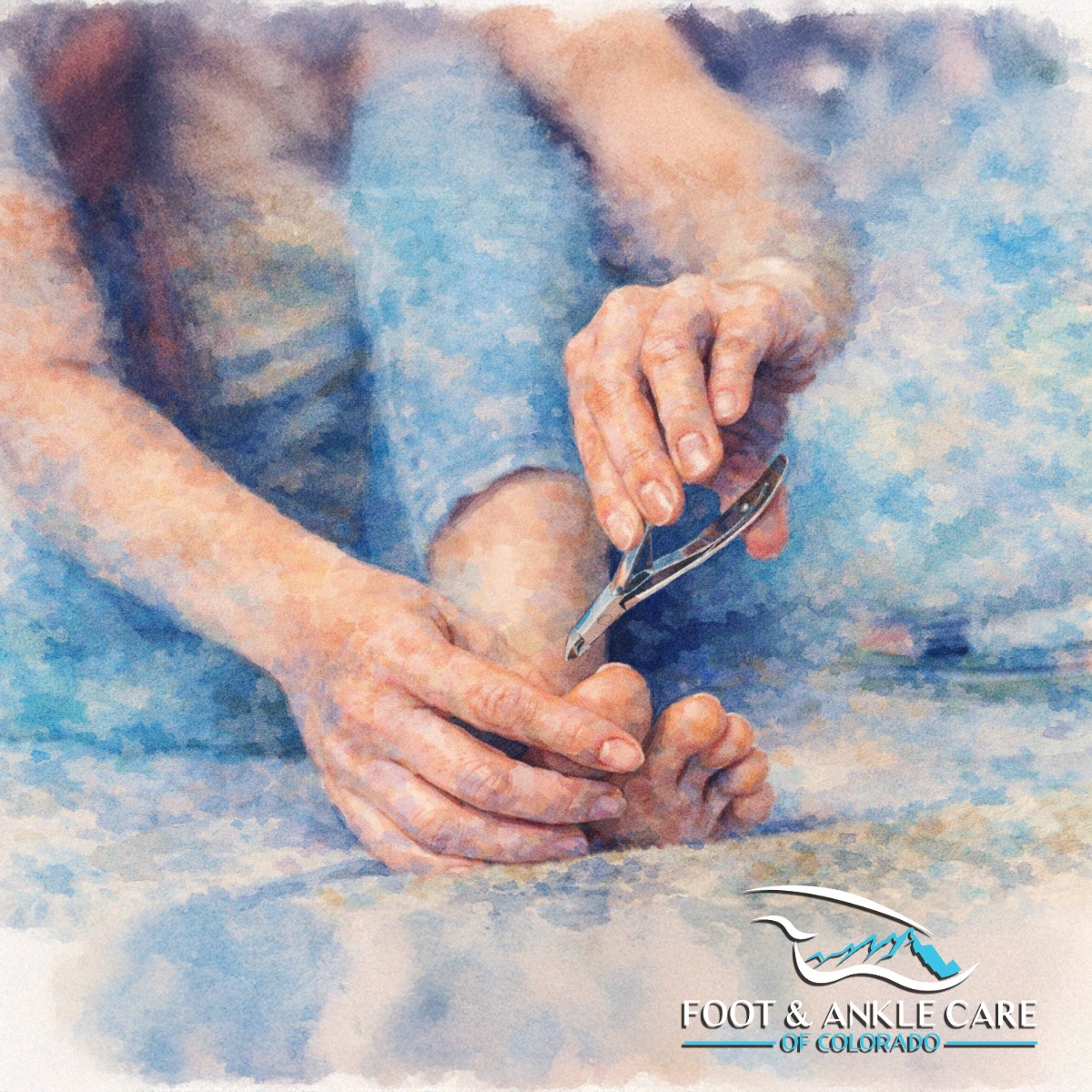
An ingrown toenail may seem like a small problem—until you’ve had one. The pain, redness, and swelling can make something as simple as putting on socks or walking across the room feel unbearable. Worse, if left untreated, ingrown toenails can lead to infection and more serious complications—especially for patients with diabetes or circulation issues.
At Foot & Ankle Care of Colorado, we specialize in diagnosing and treating ingrown toenails with precision, compassion, and long-term relief in mind. Whether it’s your first time dealing with one or a chronic issue you’ve been managing for years, we’re here to help you get back on your feet, pain-free.
What Is an Ingrown Toenail?
An ingrown toenail occurs when the edge of the toenail grows into the surrounding skin, usually on the big toe. This causes inflammation, pressure, and often infection if bacteria enter the broken skin.
Common Causes of Ingrown Toenails
Several factors can lead to or worsen ingrown toenails, including:
- Improper nail trimming – Cutting nails too short or rounding the edges encourages them to grow into the skin.
- Tight footwear – Shoes that crowd the toes can push the nail into the skin.
- Injury or trauma – Stubbing your toe or repetitive impact (e.g., running, sports) can alter nail growth.
- Genetics – Some people inherit nails that naturally curve inward.
- Nail infections – Fungal or bacterial infections can change the shape or thickness of the nail.
Symptoms to Watch For
The most common symptoms of an ingrown toenail include:
- Pain or tenderness along one or both sides of the nail
- Redness and swelling around the toenail
- Pus or drainage (a sign of infection)
- Warmth or throbbing in the toe
- Difficulty wearing shoes or walking comfortably
Don’t ignore these symptoms—early treatment prevents complications and speeds up healing.
At-Home Care vs. Medical Treatment
Mild ingrown toenails can sometimes be managed at home by:
- Soaking the foot in warm water with Epsom salt
- Gently lifting the nail edge with a clean cotton swab
- Keeping the area clean and dry
- Wearing open-toed shoes or soft footwear
However, if pain persists for more than a few days, if there’s any sign of infection, or if you’ve had multiple occurrences, it’s time to see a podiatrist.
Ingrown Toenails Treatment at Foot & Ankle Care of Colorado
We offer several treatment options, tailored to the severity of your condition and your long-term needs:
1. In-Office Nail Edge Removal (Partial Nail Avulsion)
For moderate to severe cases, we gently remove the ingrown portion of the nail under local anesthesia. The procedure is quick, and most patients return to normal activities within 24–48 hours.
2. Chemical Matrixectomy (Permanent Solution)
If you’ve had recurring ingrown nails on the same toe, we may recommend permanently removing the edge of the nail. This is done by applying a chemical to the nail matrix (growth area) after removal, preventing that portion of the nail from growing back. It’s a safe, long-term solution with minimal discomfort and excellent outcomes.
3. Infection Management
If the area is infected, we may prescribe a topical or oral antibiotic. In some cases, we clean and drain the infection during the same visit.
4. Footwear and Nail Care Education
We help patients prevent future ingrown toenails by offering guidance on:
- Proper nail trimming techniques
- Choosing the right shoes
- Managing contributing conditions like fungal nails or toe deformities
Why See a Specialist?
While urgent care clinics may offer temporary relief, podiatrists treat the root cause of the problem and help you avoid future issues. At Foot & Ankle Care of Colorado, we provide:
- A sterile, safe clinical environment
- Gentle, same-day procedures
- Expertise in diabetic foot care and infection prevention
- Long-term solutions—not just temporary fixes
Don’t Let a Small Nail Cause Big Pain
If you’re dealing with an ingrown toenail, don’t wait for it to worsen. Early intervention is fast, effective, and can prevent serious complications—especially if you have diabetes, poor circulation, or a history of infection.
Call Foot & Ankle Care of Colorado today to schedule your consultation. Relief is just one visit away.