Not all fractures happen from a major injury. Sometimes, pain develops gradually and quietly until walking, standing, or exercising becomes difficult. One of the most common overuse injuries affecting the lower extremities is a stress fracture—a small crack in the bone caused by repetitive force rather than a sudden traumatic event.
At Foot & Ankle Care Of Colorado, we help patients identify and treat stress fractures early to reduce recovery time, prevent complications, and get them back to the activities they enjoy. If you’ve been experiencing persistent foot pain, understanding the warning signs of a stress fracture is an important first step.
What Is A Stress Fracture?
A stress fracture is a tiny crack in a bone caused by repetitive loading over time. Unlike traditional fractures that happen from a fall or direct impact, stress fractures develop gradually as the body experiences repeated strain without enough time to recover.
Stress fractures most commonly affect the:
- Metatarsal bones in the forefoot
- Heel bone (calcaneus)
- Midfoot bones
- Ankle region
- Lower leg bones
Because these structures absorb significant force during walking and activity, they are especially vulnerable to overuse.
Common Causes Of Stress Fractures
Stress fractures frequently develop when activity increases faster than the body can adapt.
Common risk factors include:
- Sudden increases in exercise intensity
- Running or hiking long distances
- Sports involving jumping or repeated impact
- Standing for long hours
- Unsupportive footwear
- Foot alignment problems
- Reduced bone strength
Athletes are not the only people affected—stress fractures can occur in anyone who spends significant time on their feet.
Symptoms Of A Stress Fracture
Stress fractures often begin with subtle symptoms that gradually worsen.
Common signs include:
- Localized foot pain that becomes worse with activity
- Tenderness over a specific area of bone
- Mild swelling
- Pain that improves with rest but returns during movement
- Discomfort while walking or standing
- Increasing pain over days or weeks
Unlike muscle soreness, stress fracture pain often becomes more focused and predictable over time.
Why Stress Fractures Should Not Be Ignored
Many patients initially assume they are dealing with a strain or inflammation and continue activity despite worsening symptoms.
Ignoring a stress fracture may lead to:
- Larger fractures
- Delayed healing
- Chronic pain
- Changes in walking mechanics
- More extensive treatment requirements
Early evaluation often means faster recovery and fewer long-term complications.
Diagnosing Stress Fractures At Foot & Ankle Care Of Colorado
At Foot & Ankle Care Of Colorado, diagnosing the source of foot pain begins with a comprehensive evaluation.
Your assessment may include:
- Medical history review
- Physical examination
- Assessment of walking mechanics
- Diagnostic imaging when appropriate
Because stress fractures may not always appear immediately on imaging, clinical evaluation remains an important part of diagnosis.
Identifying the injury early allows treatment to begin before the condition progresses.
Stress Fracture Treatment Options
Treatment depends on the location and severity of the fracture, but most stress fractures can be managed without surgery.
Activity Modification
Reducing impact and allowing the injured bone time to heal is often the foundation of treatment.
Immobilization
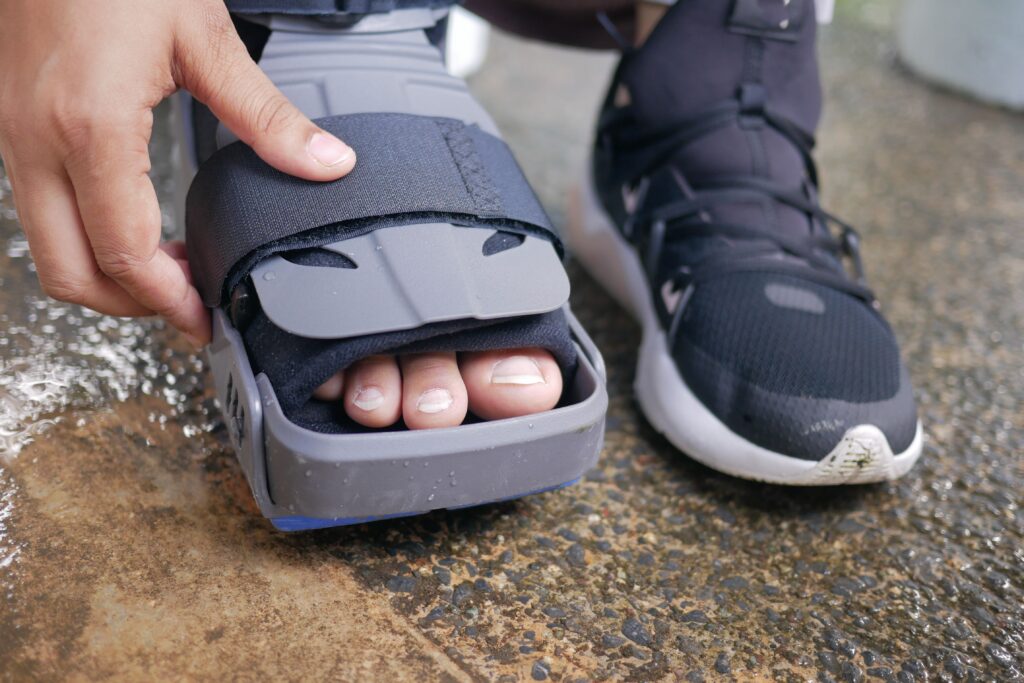
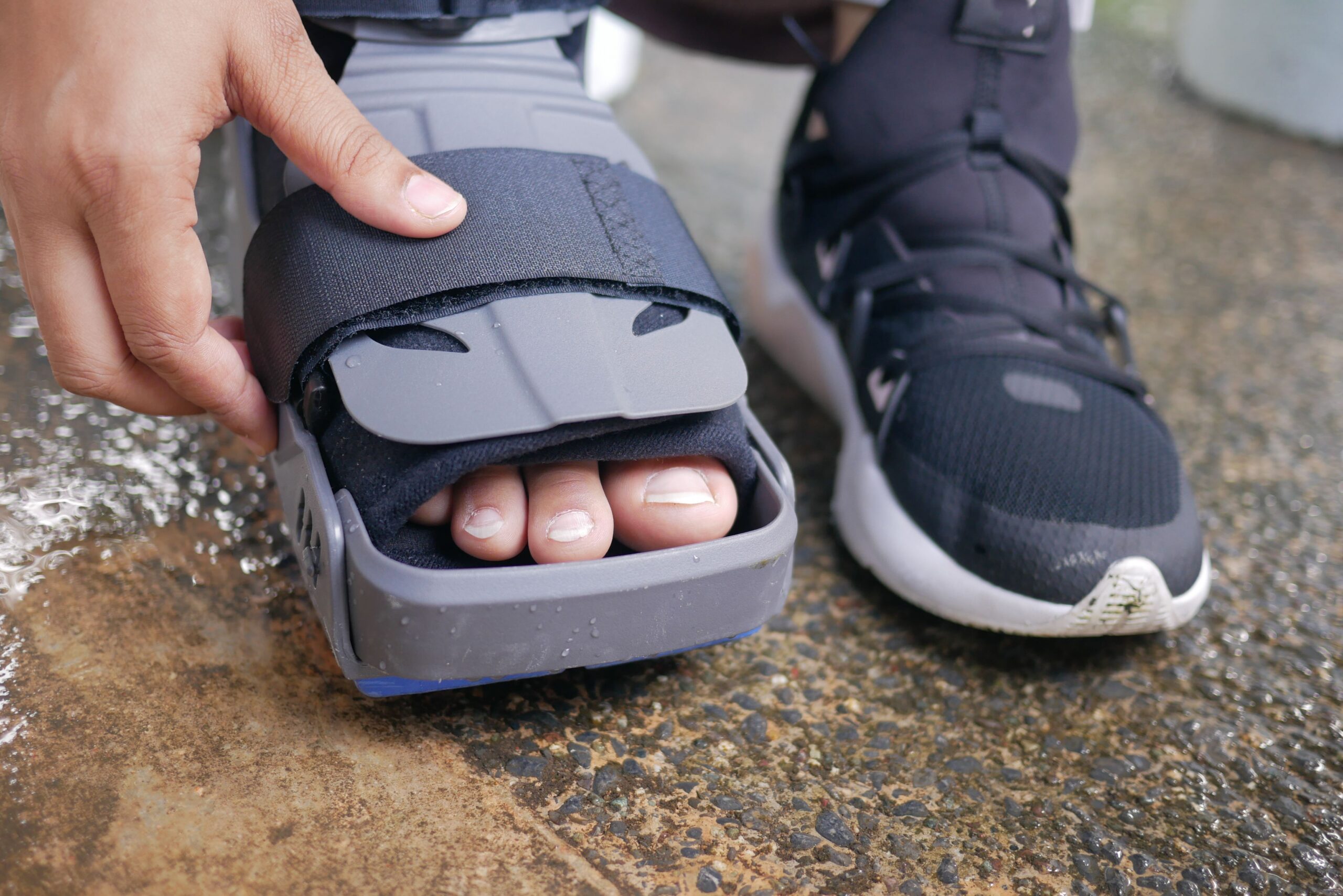
Walking boots or protective devices may be recommended to reduce stress on the injured area.
Footwear Recommendations
Supportive footwear helps improve mechanics and reduce repetitive loading.
Custom Orthotics For Foot Pain
Custom orthotics may be recommended to improve alignment and reduce pressure on vulnerable areas of the foot.
Gradual Return To Activity
Once healing progresses, activity is reintroduced carefully to reduce the risk of reinjury.
Advanced Treatment Options
In select cases involving delayed healing or high-risk fractures, additional interventions may be considered to support recovery.
Preventing Future Foot Pain And Stress Fractures
Reducing your risk of future injuries often involves small changes that make a big difference.
Helpful prevention strategies include:
- Increasing activity gradually
- Replacing worn-out shoes
- Cross-training to reduce repetitive impact
- Addressing foot alignment concerns
- Taking recovery seriously
Preventive care plays a major role in protecting long-term foot health.
Get Relief From Foot Pain
Persistent foot pain should never be ignored—especially when it worsens with activity and improves with rest. Stress fractures are common, but with early diagnosis and proper treatment, most patients recover successfully.
At Foot & Ankle Care Of Colorado, our team is committed to identifying the source of your foot pain and developing a personalized treatment plan to help you recover safely and confidently.
Schedule an evaluation today and take the first step toward healing.