If you’ve been dealing with stiffness, pain, or swelling in the back of your heel—especially when walking or running—you might be suffering from Achilles tendinitis. This common overuse injury can seriously disrupt your ability to stay active, and if left untreated, it can lead to chronic pain or even rupture. That’s where options like prp therapy near me can be a potential option for your road to recovery.
But here’s the good news: the vast majority of Achilles tendinitis cases can be treated non-surgically with the right approach, consistent care, and guidance from an experienced podiatrist.
If you’re trying to avoid surgery and want a long-term solution that helps you heal and return to activity safely, this guide is for you.
What Is Achilles Tendinitis?
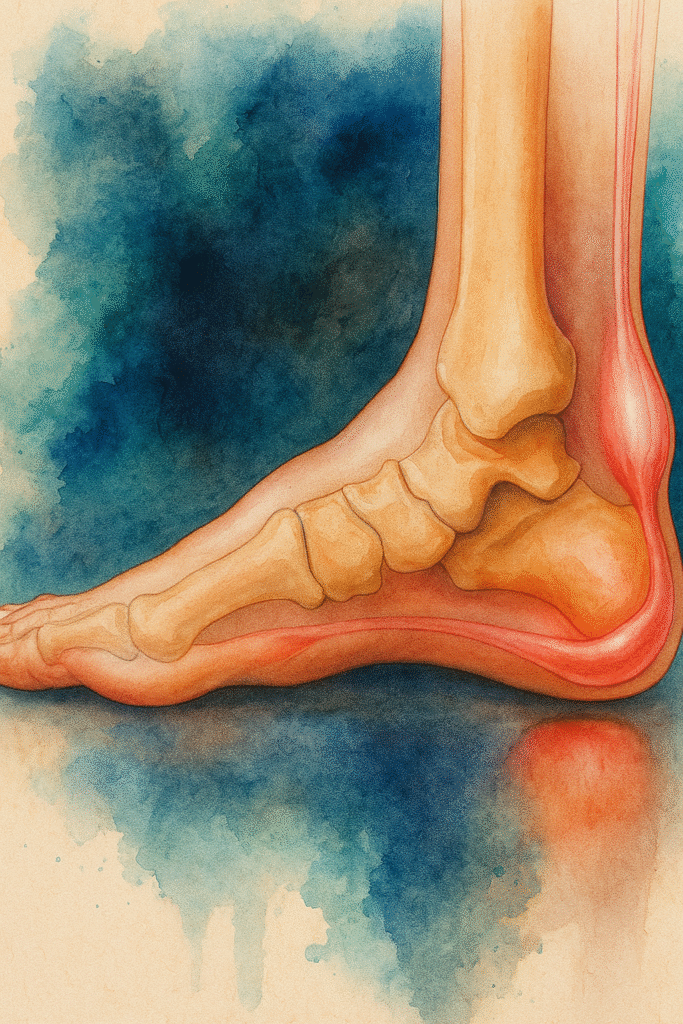
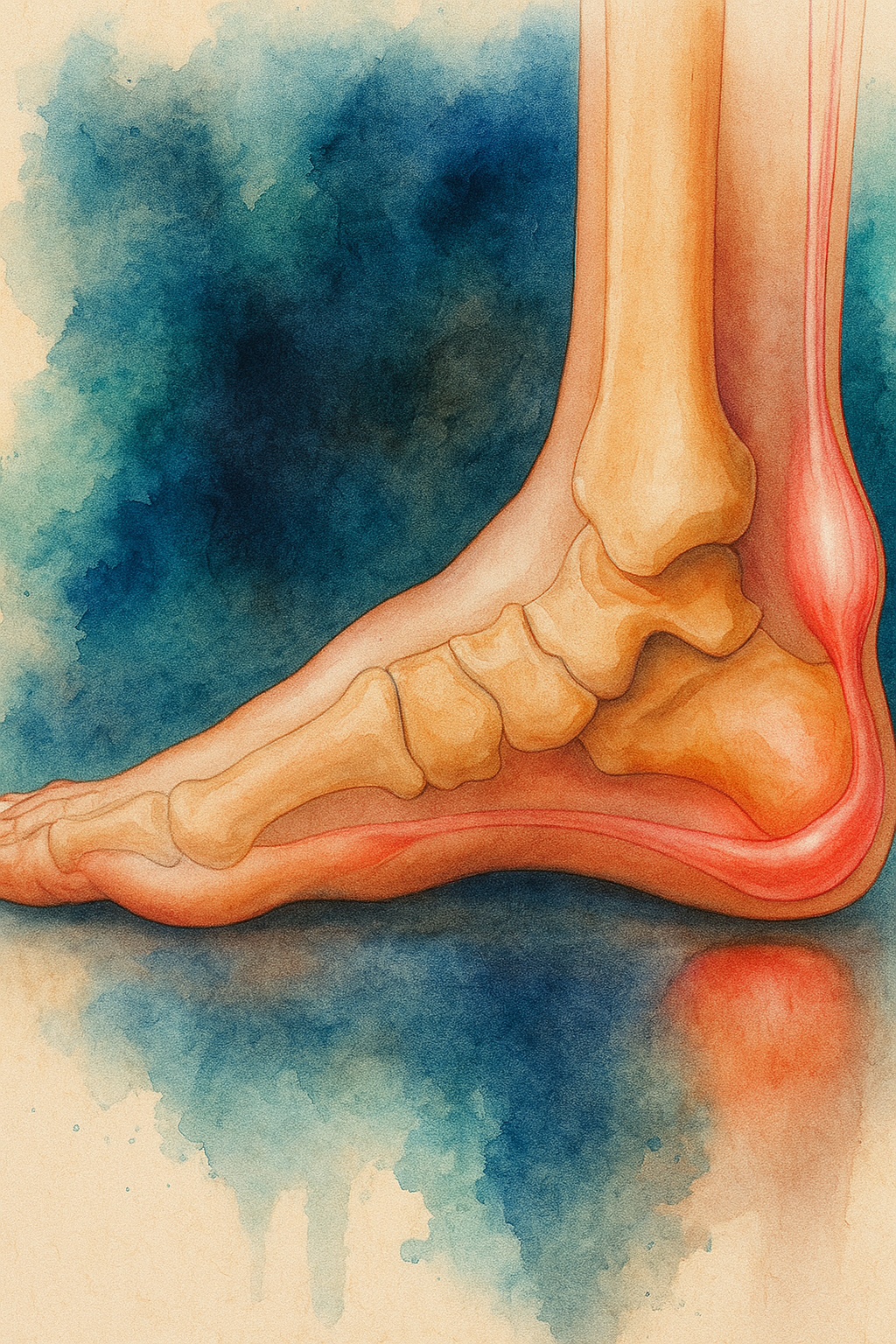
Achilles tendinitis is inflammation of the Achilles tendon—the thick band of tissue connecting your calf muscles to your heel bone. It often develops from overuse, poor footwear, or a sudden increase in physical activity, especially high-impact sports like running, tennis, or basketball.
There are two main types:
- Noninsertional Achilles tendinitis: pain in the middle portion of the tendon, often from overuse.
- Insertional Achilles tendinitis: pain where the tendon attaches to the heel bone, often associated with bone spurs or tight calves.
Symptoms include:
- Pain and stiffness along the tendon, especially in the morning
- Swelling or warmth around the heel
- Discomfort during or after activity
- Limited range of motion
Why Avoid Surgery If You Can?
Surgery for Achilles tendinitis is usually reserved for severe or chronic cases that haven’t responded to other treatments over several months. While it can be effective, surgery comes with risks—scarring, infection, prolonged downtime, and the possibility of incomplete recovery.
Fortunately, most people experience significant relief and full recovery with a focused non-surgical management plan. Here’s what that looks like:
1. Rest and Activity Modification
The first step is to stop doing the activity that triggered the pain. High-impact exercises should be paused temporarily and replaced with low-impact alternatives like swimming, cycling, or elliptical training. This prevents further irritation and gives the tendon time to heal.
2. Ice and Anti-Inflammatory Measures
Applying ice packs several times a day can reduce inflammation and provide temporary relief. Non-steroidal anti-inflammatory drugs (NSAIDs), like ibuprofen, can also be helpful in the short term, though they should not replace long-term healing strategies.
3. Custom Orthotics and Supportive Footwear
Foot mechanics play a major role in Achilles stress. Flat feet, high arches, or overpronation can all contribute to tendon strain. Wearing custom orthotics and supportive shoes can correct alignment, absorb shock, and relieve pressure on the tendon during walking or standing.
4. Physical Therapy and Stretching
One of the most effective treatments for Achilles tendinitis is a targeted physical therapy program. Your therapist will guide you through a progressive routine that may include:
- Eccentric strengthening exercises for the calf
- Calf stretches to reduce tightness
- Balance and mobility drills
- Soft tissue massage or manual therapy
These movements improve tendon resilience and flexibility, which helps prevent re-injury.
5. Shockwave Therapy (EPAT)
Extracorporeal Pulse Activation Technology (EPAT), also known as shockwave therapy, is a non-invasive option that uses acoustic waves to promote healing in chronic tendon injuries. It stimulates blood flow, breaks down scar tissue, and can jumpstart recovery in cases that haven’t responded to rest and therapy alone.
6. Platelet-Rich Plasma (PRP Therapy Near Me) Injections
For patients with persistent tendon pain, PRP therapy near me offers a regenerative approach. A small sample of your blood is spun to extract healing platelets, which are then injected into the damaged tendon. This promotes natural tissue repair without surgery or steroids.
When to See a Specialist
If your symptoms have lasted more than a few weeks, or if pain is interfering with daily life, it’s time to see a podiatrist. Early intervention is key to avoiding chronic issues or tendon rupture.
We’ll assess the severity of your condition and develop a non-surgical treatment plan tailored to your activity level, lifestyle, and goals.
Get Back on Your Feet—Pain-Free
Achilles tendinitis doesn’t have to mean months on the sidelines or invasive surgery. With the right combination of rest, prp therapy near me, and supportive care, most patients recover fully and return to the activities they love.
If you’re dealing with heel pain or suspect you may have Achilles tendinitis, schedule a consultation today. Our team is here to help you heal—without surgery, and with a plan that works for your life.